Skip to content
DeeJay Bui

featured series · no. 01

Inside the Variance

A night at Pinnacles National Park during the 2025 Geminid meteor shower.

Photography
DeeJay Bui
Location
Pinnacles National Park, California
Date
December 14, 2025

It started the way most bad ideas do: during finals week, off a news headline. The Geminids were peaking Sunday at midnight, up to 120 meteors an hour, and none of us had the sense to just study.
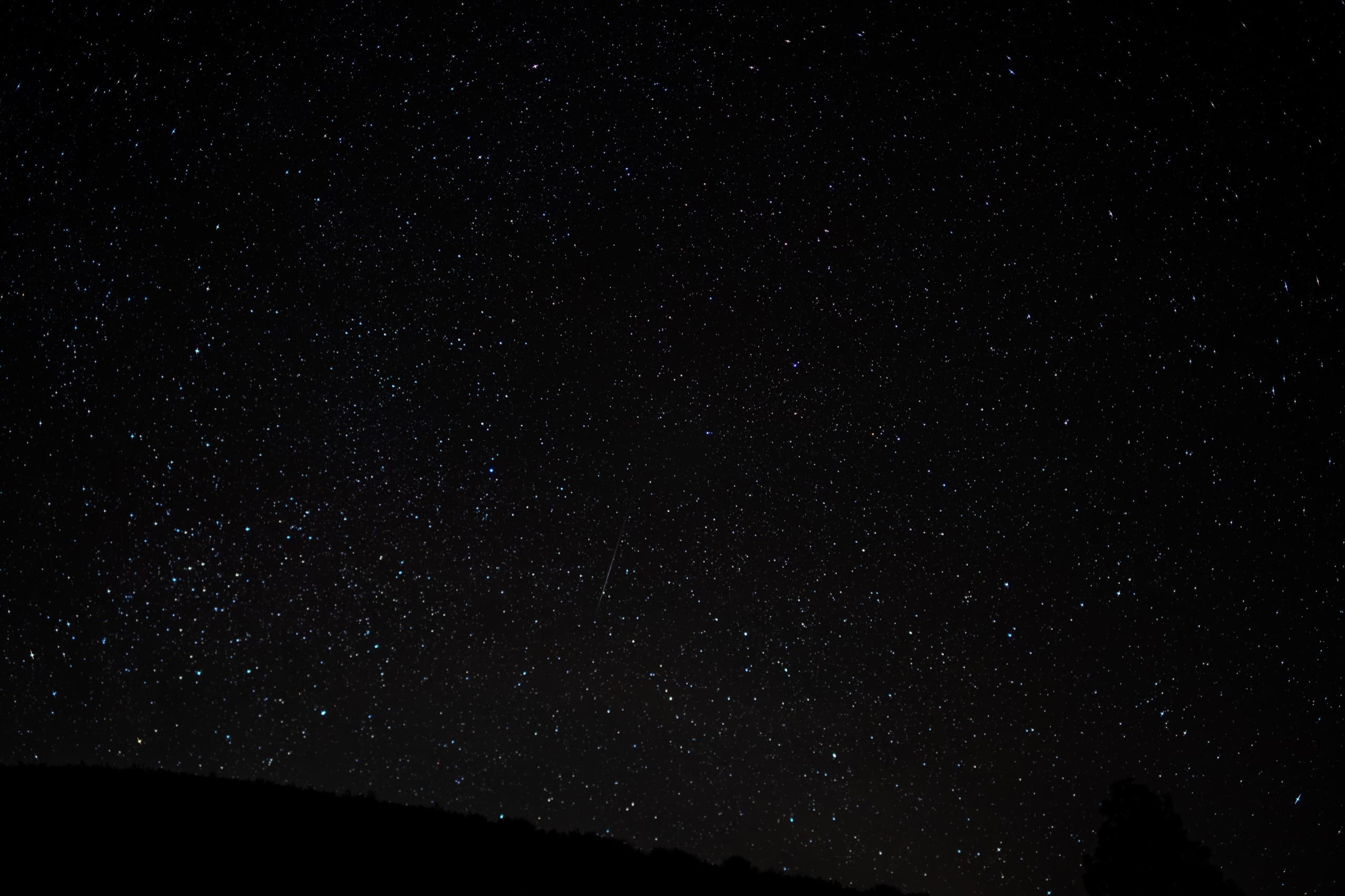
A faint meteor cuts through a dense field of stars over a dark ridge, a lone treetop silhouetted at the edge of the frame.
05AInside the Variance · 05A

So we overthought it, which is the only thing we're consistently good at. Light pollution maps. Camera specs, so we'd actually catch something instead of guessing. Threads from other people chasing the same sky. Everything pointed two hours south, to Pinnacles, where the internet promised real darkness.
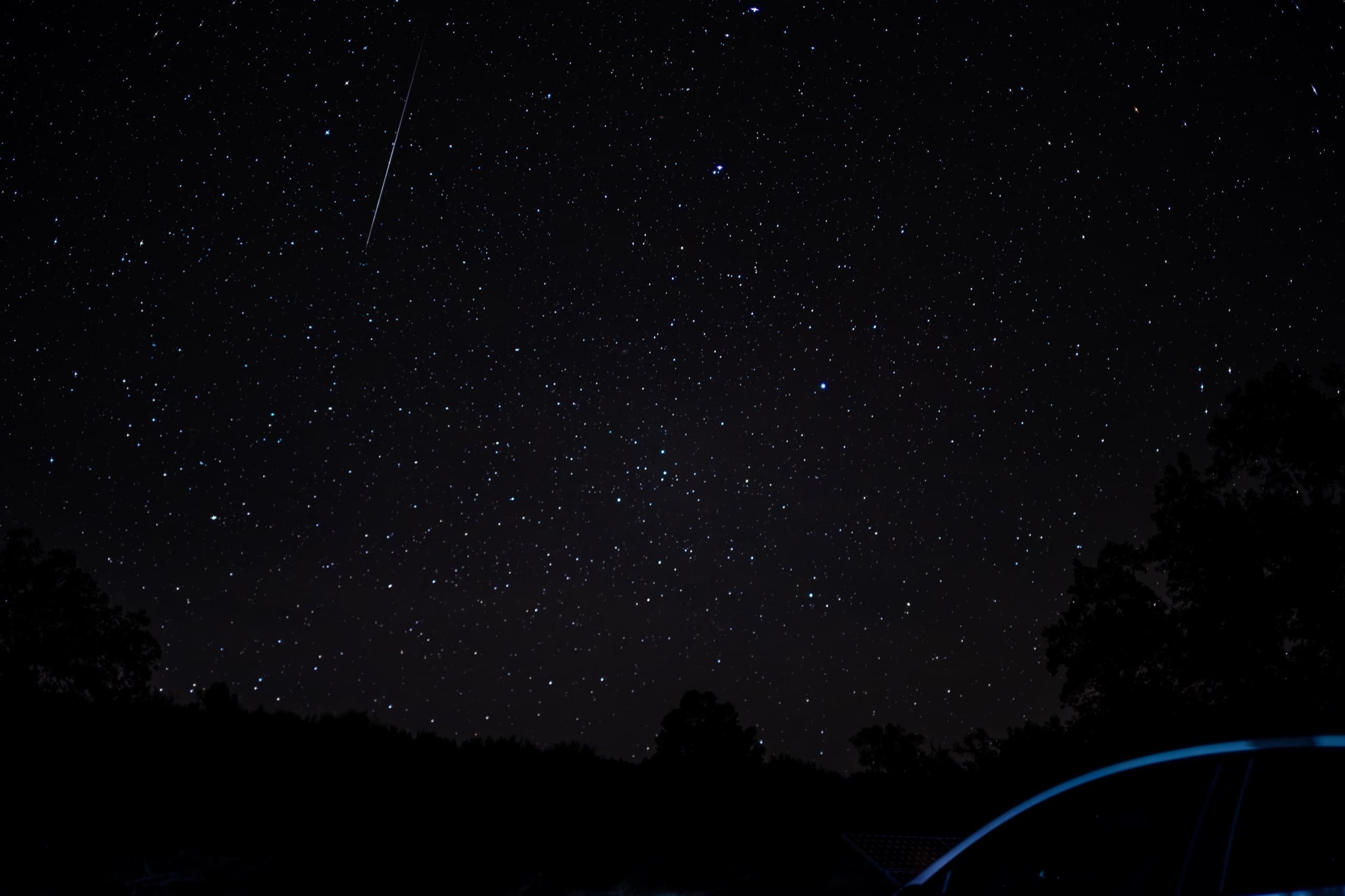
A long, bright meteor streaks above the tree line while the roofline of a parked car catches faint blue light at the corner of the frame.
09AInside the Variance · 09A
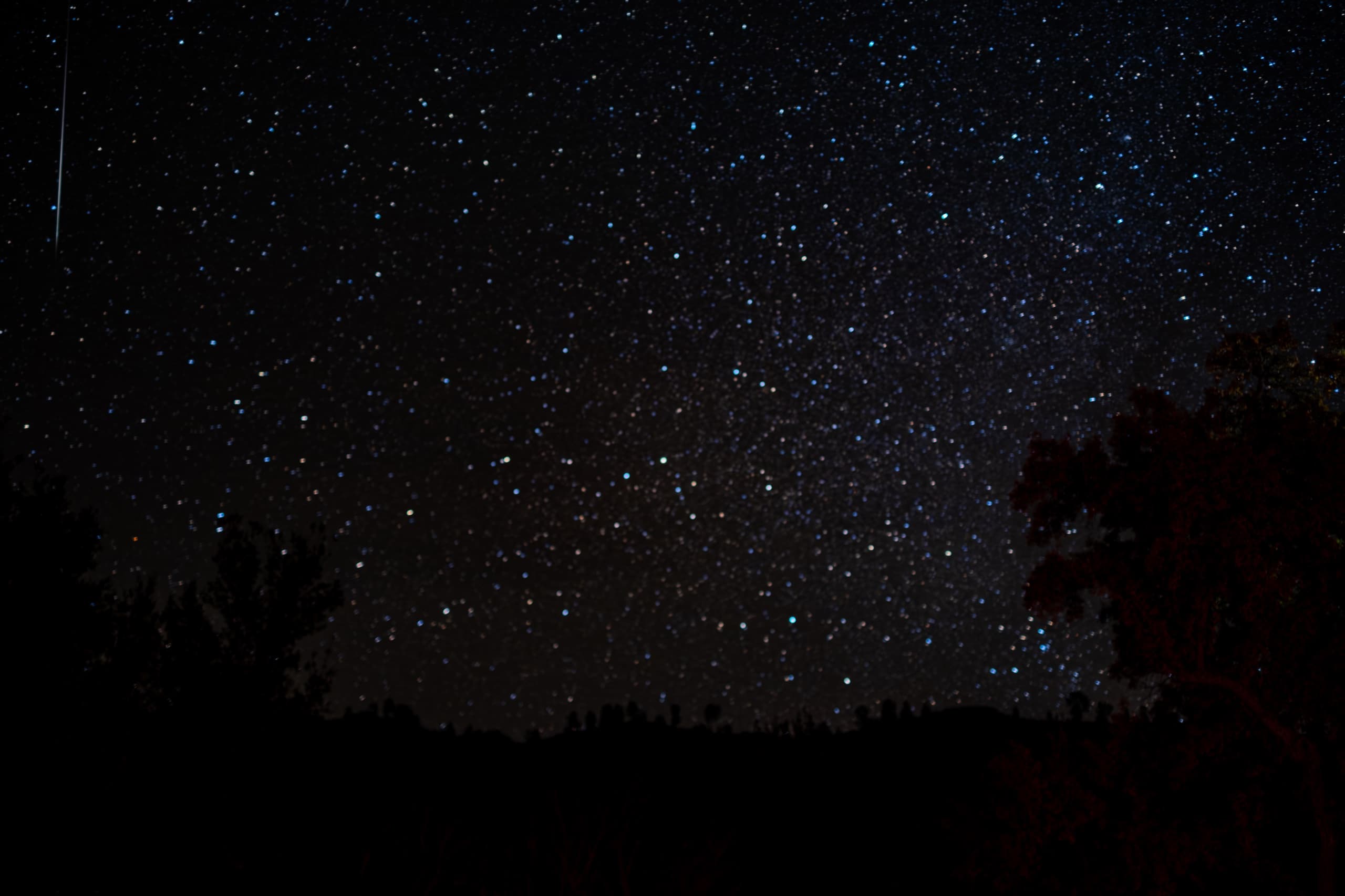
Stars framed by the silhouettes of oaks, with a meteor dropping into the upper corner and a faint warm glow along the horizon.
14AInside the Variance · 14A

We got there at midnight and left when the sun came up. The dark out there is a different kind of dark, the kind your eyes take ten full minutes to adjust to before they give you anything back. We had our cameras, our jackets, and eyes not built for this.

A meteor shower is not a shower. It's Poisson distribution.

What nobody tells you is that a meteor shower is not a shower. It's a lottery. One would cut across the sky every few minutes, and the camera would catch maybe one in ten. You don't photograph the sky so much as bet against it and occasionally win.
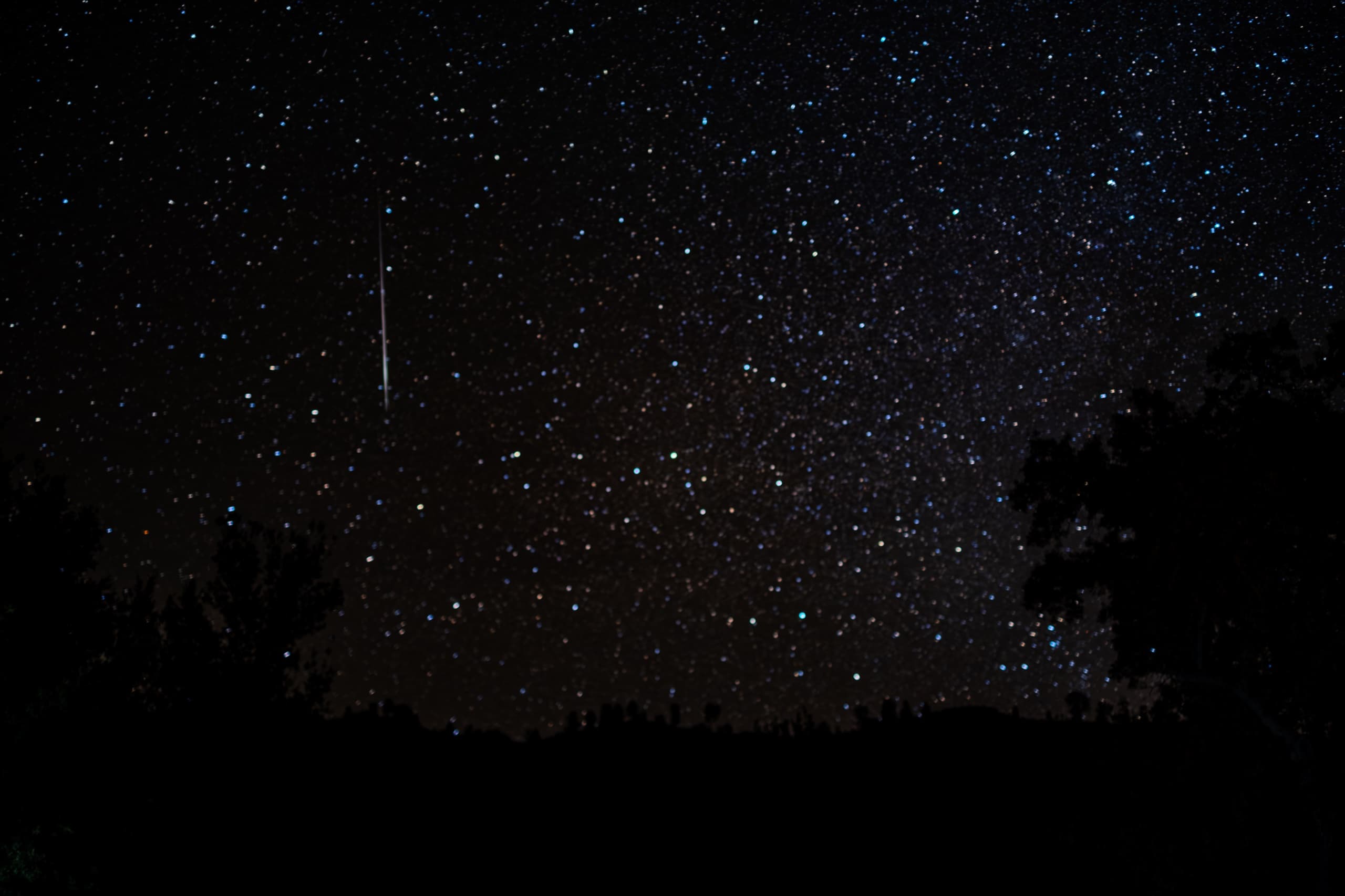
A bright meteor burns straight down through a wall of stars above the oaks, flaring at its head before it fades.
15AInside the Variance · 15A

At some point, freezing and staring up, we started arguing about Poisson. Finals brain doesn't switch off. But it fit. The Poisson distribution is the math of rare events scattered across time, which is exactly what we were standing under. "120 an hour" is an average, not a promise, so the sky clumps and stalls precisely the way the equation says it should. You can know the rate and still not know the next minute. We weren't unlucky. We were inside the variance.
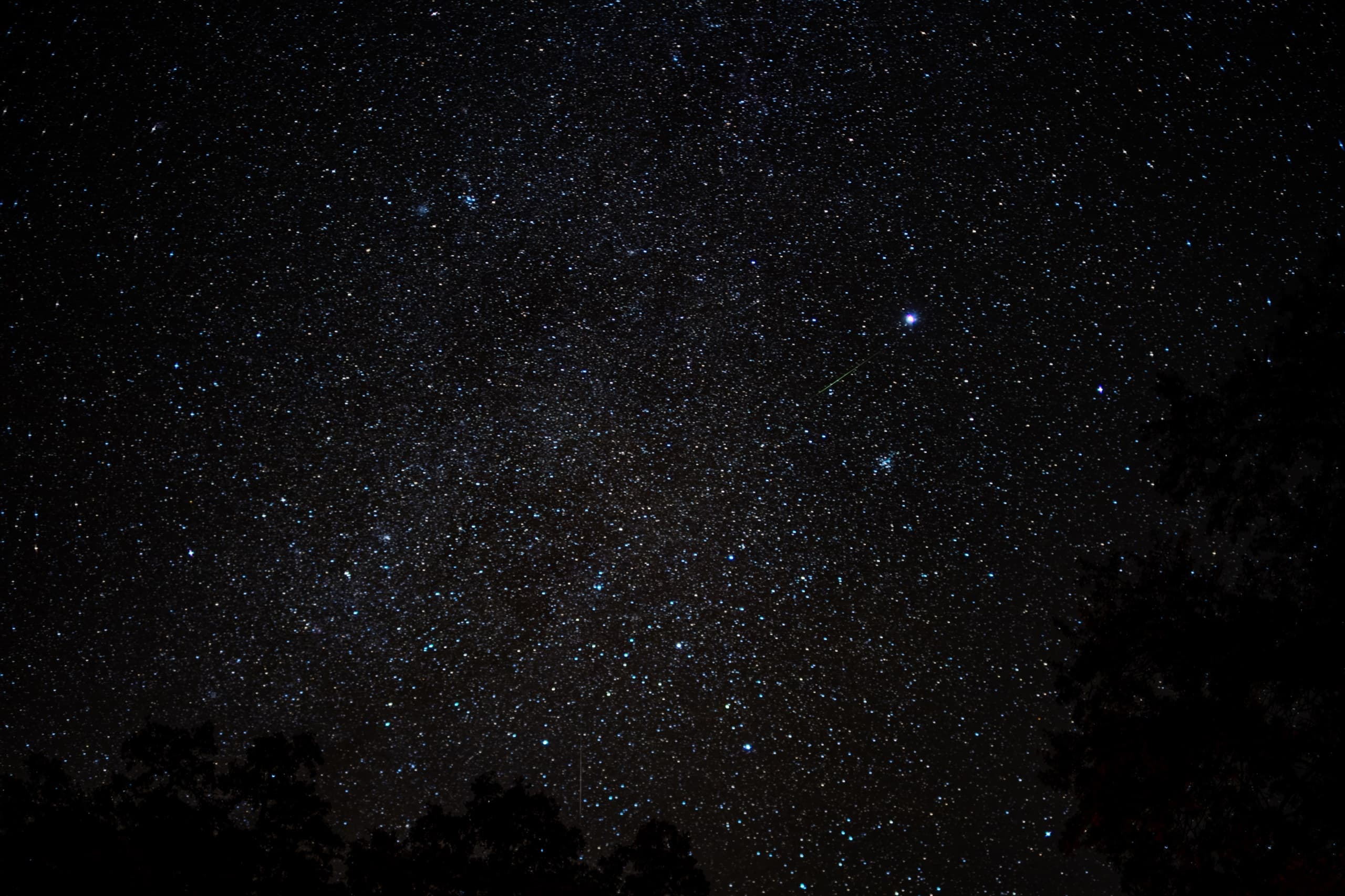
The densest sky of the night: thousands of stars over silhouetted oaks, one brilliant point of light and a small green meteor beside it.
21AInside the Variance · 21A
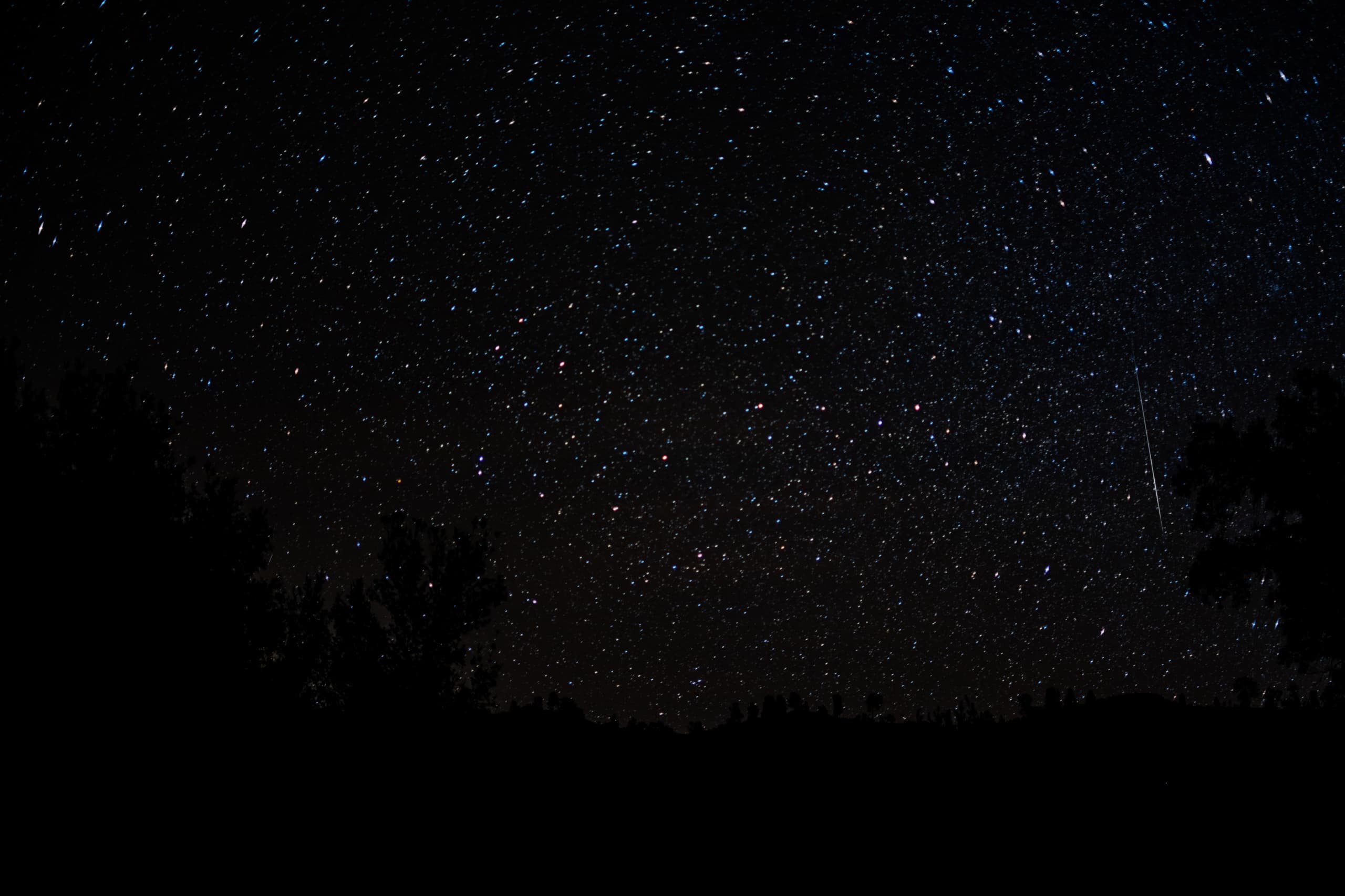
A thin meteor threads between tree silhouettes at the right edge of the frame, the stars showing their reds and blues in the long exposure.
18AInside the Variance · 18A
We weren't unlucky. We were inside the variance.

Then the part we definitely didn't plan for. Midnight crossed into one of our friends' birthdays, so a cake came out in the middle of nowhere, and we shot that too. We drove down for the meteors. We came back with the portraits.
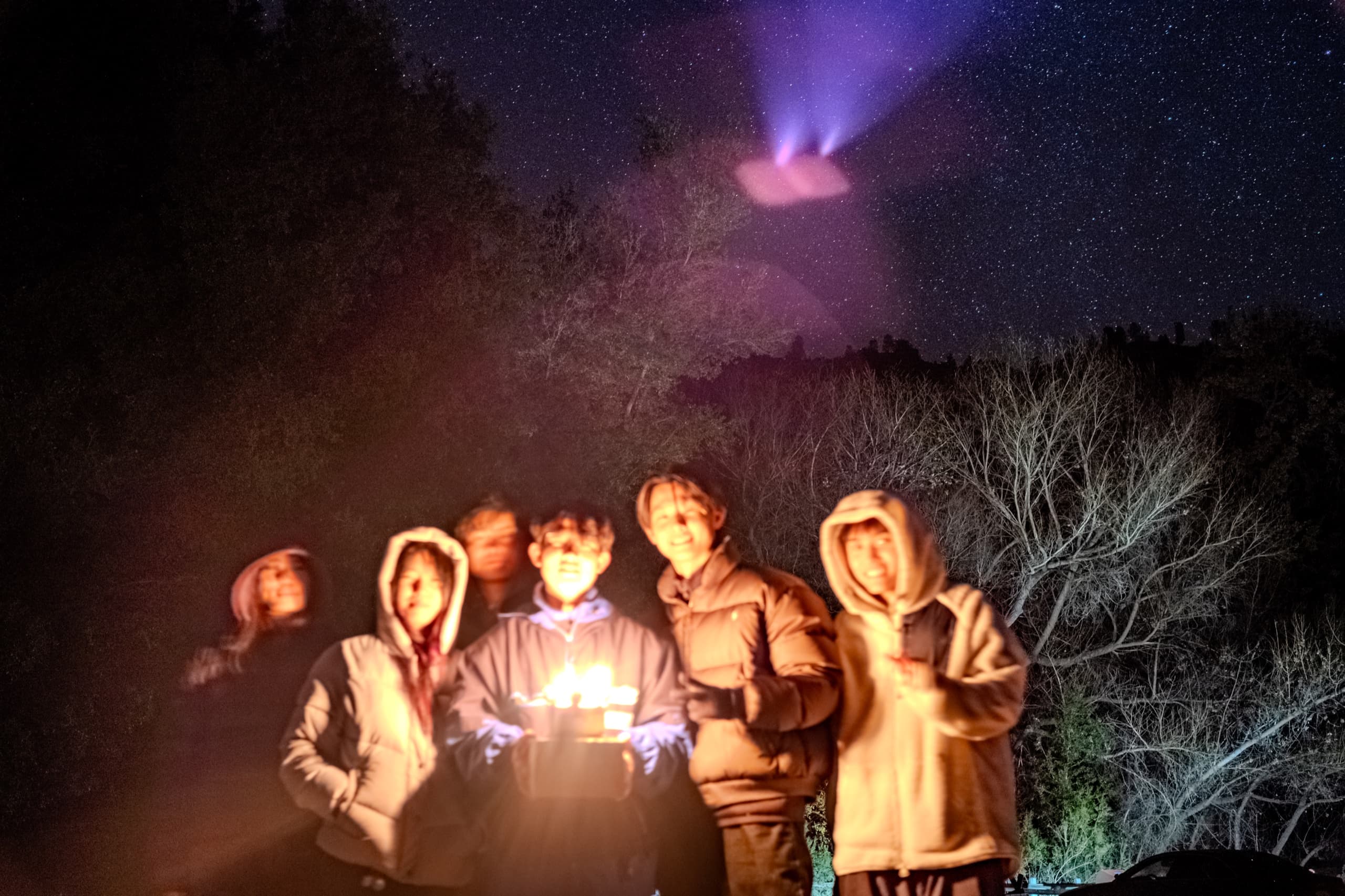
Six friends in winter jackets crowd around lit birthday candles under a starry sky, faces warm and motion-blurred in the eight-second exposure.
02AInside the Variance · 02A

the contact sheet

every frame

iso 800 · pinnacles np · december 2025 · Inside the Variance

Six friends in winter jackets crowd around lit birthday candles under a starry sky, faces warm and motion-blurred in the eight-second exposure.
02Athe pick
A faint meteor cuts through a dense field of stars over a dark ridge, a lone treetop silhouetted at the edge of the frame.
05A
A long, bright meteor streaks above the tree line while the roofline of a parked car catches faint blue light at the corner of the frame.
09A
Stars framed by the silhouettes of oaks, with a meteor dropping into the upper corner and a faint warm glow along the horizon.
14A
A bright meteor burns straight down through a wall of stars above the oaks, flaring at its head before it fades.
15A
A thin meteor threads between tree silhouettes at the right edge of the frame, the stars showing their reds and blues in the long exposure.
18A
The densest sky of the night: thousands of stars over silhouetted oaks, one brilliant point of light and a small green meteor beside it.
21A